Píopaí PPN 0.6 MPa
Sonraíochtaí Táirge: DN65 (D75), DN80 (D90), DN100 (D110), DN100 (D125), DN15...

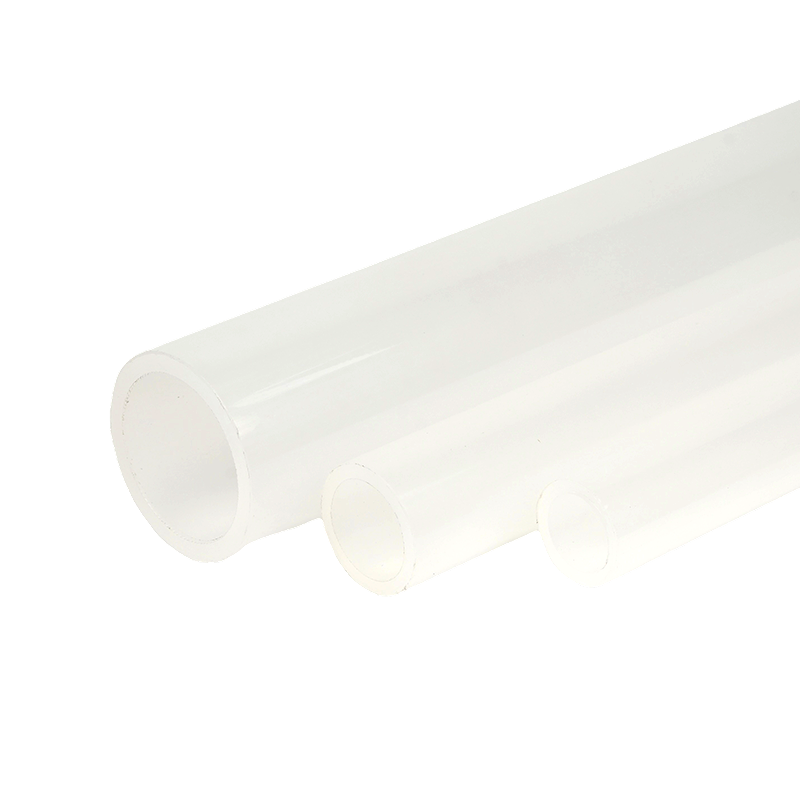
Sonraíochtaí Táirge: DN65 (D75), DN80 (D90), DN100 (D110), DN100 (D125), DN15...
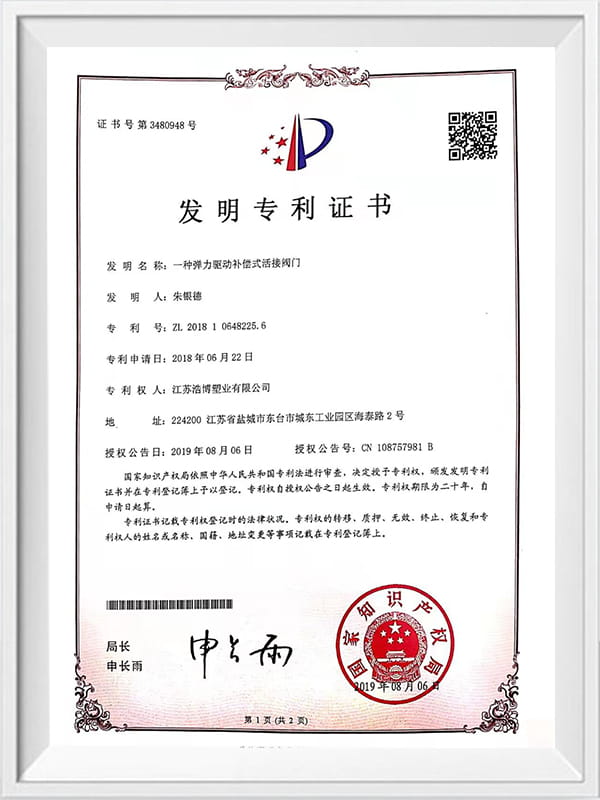
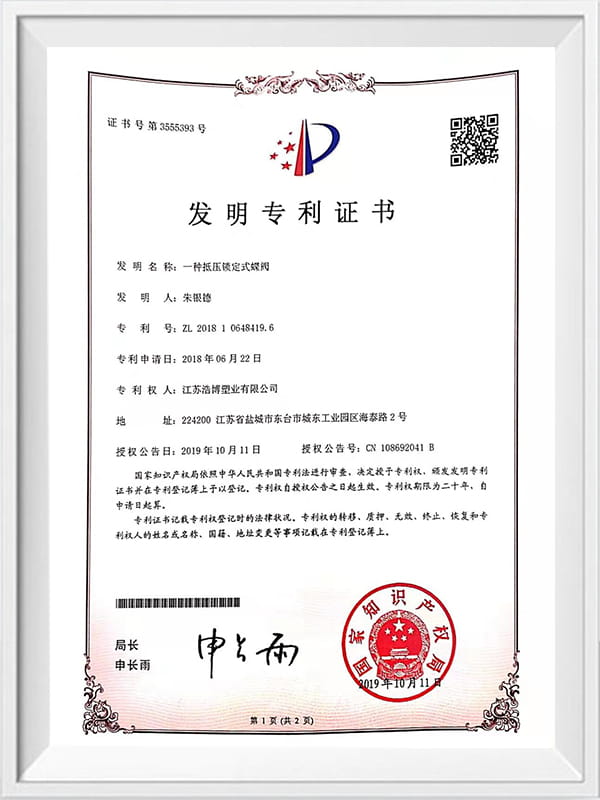
Bhí jab amháin fágtha ag criú múchta ag gléasra ceimiceach roimh atosú: cuir gasket sceite a athsholáthar ar chomhla dhá mhéadar déag taobh istigh de líne PPH lán-táthaithe. Mar gheall ar ghearradh an phíobáin bhí spól nua, táthú nua, fanacht fuaraithe agus an dara tástáil brú, ceithre huaire sa bhreis ar an scei...
Féach TuilleadhAg ceannach comhla liathróid plaisteach trí fhiafraí "an ndíolann tú iad?" is é an chaoi a n-íocann tionscadail faoi dhó sa deireadh. Is é an rud a chinneann i ndáiríre an ritheann comhla liathróid plaisteach go ciúin ar feadh cúig bliana nó má theipeann ar an gcéad dul síos, an t-ábhar coirp, an leaistiméire rói...
Féach TuilleadhDhá fheisteoir, corn amháin de 2 i bpíobán PVDF agus cliathbhosca d'oiriúnóirí flange DN 50. Sroicheann gach rud de réir an sceidil agus ní luíonn aon rud: tomhaiseann an píopa 60.3 mm trasna an taobh amuigh, agus déantar an t-adapter a mheaisíniú ar thrastomhas lasmuigh de 50 mm. Níl ceachtar den dá lipéad ...
Féach Tuilleadh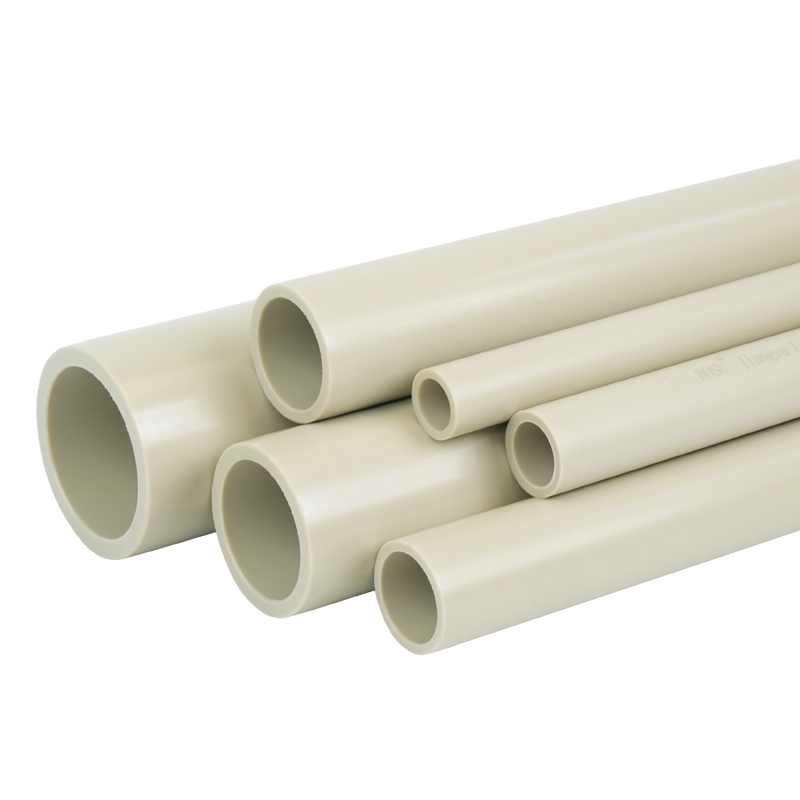
Sonraíochtaí Táirge: DN15 (D20), DN20 (D25), DN25 (D32), DN32 (D40), DN40 (D5...
Féach Tuilleadh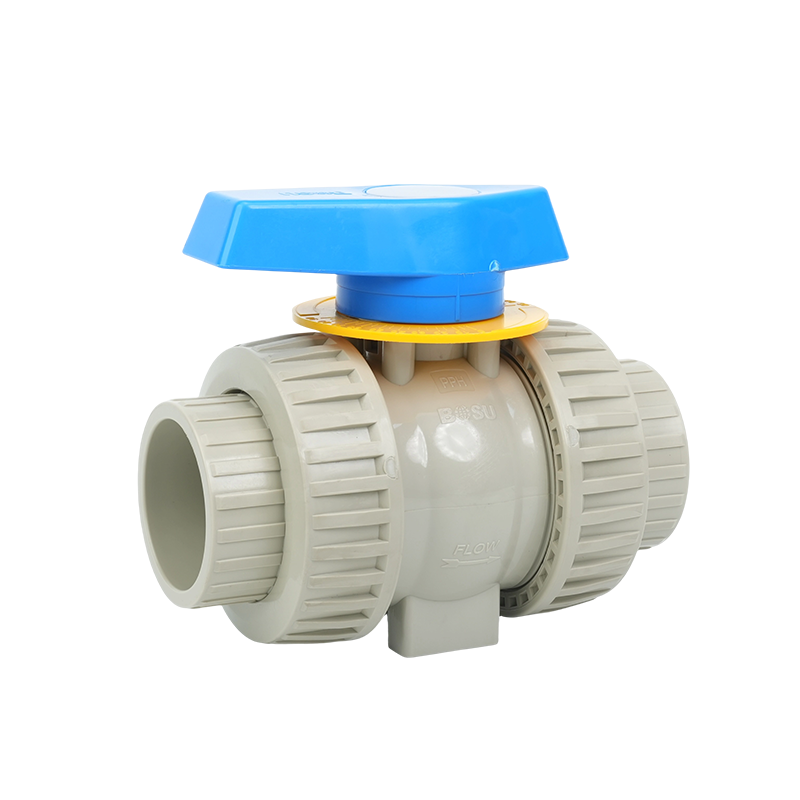
1. Gnéithe Táirge: Feidhm léirithe láimhseála pearsantaithe, suiteáil LOGO, m...
Féach Tuilleadh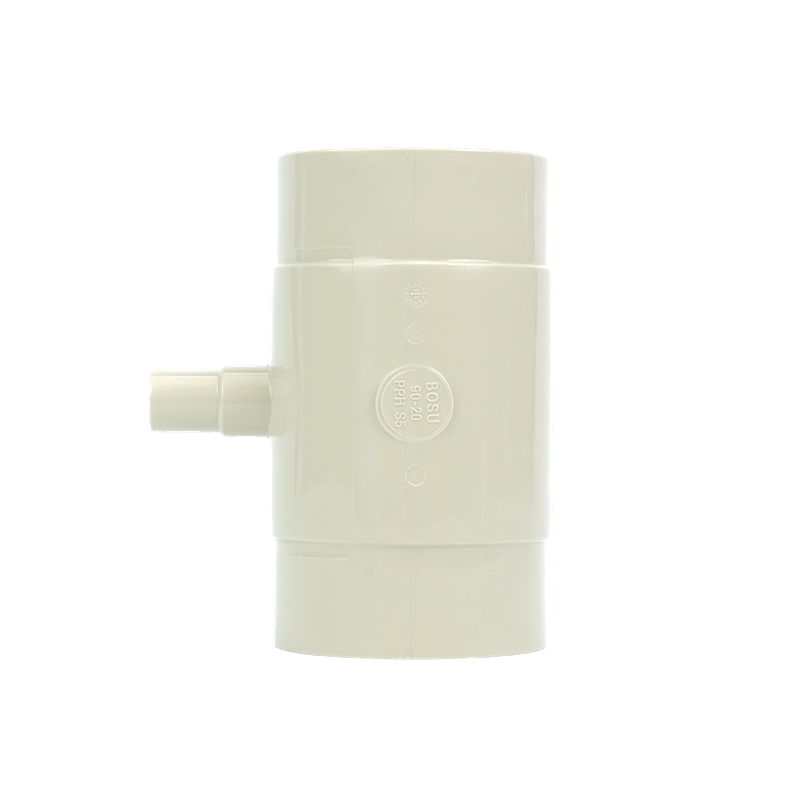
1. Úsáidtear an feistiú seo chun píblíne a leathnú. I measc a thrí chalafoirt...
Féach Tuilleadh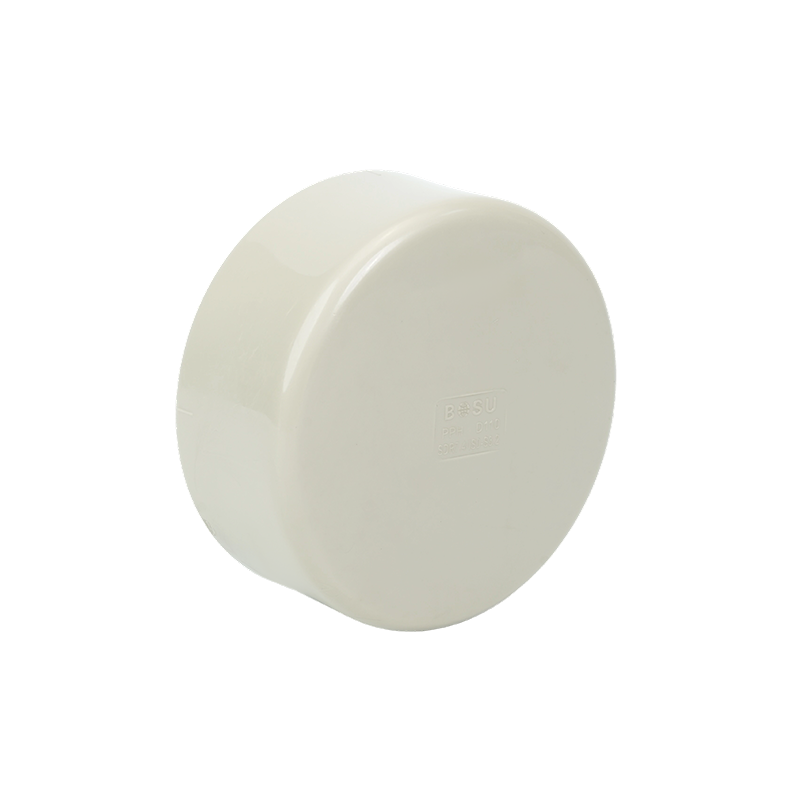
1. CRUA, creimeadh-resistant, lightweight, a úsáidtear chun píblínte séala. O...
Féach Tuilleadh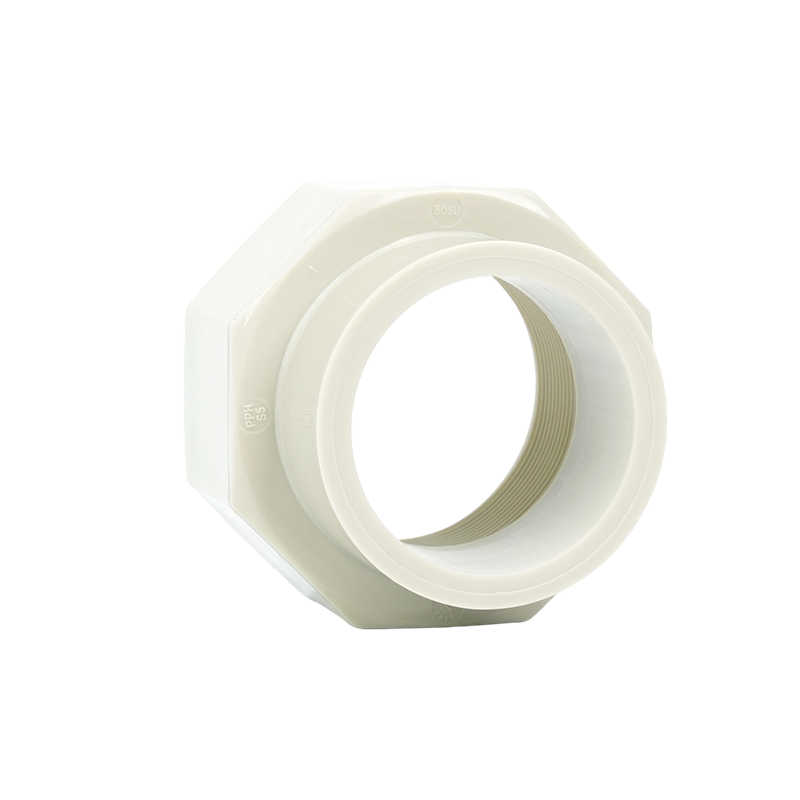
1. Gnéithe seo táirge suiteáil tapa, slán, agus éifeachtach. Cinntíonn a bhal...
Féach Tuilleadh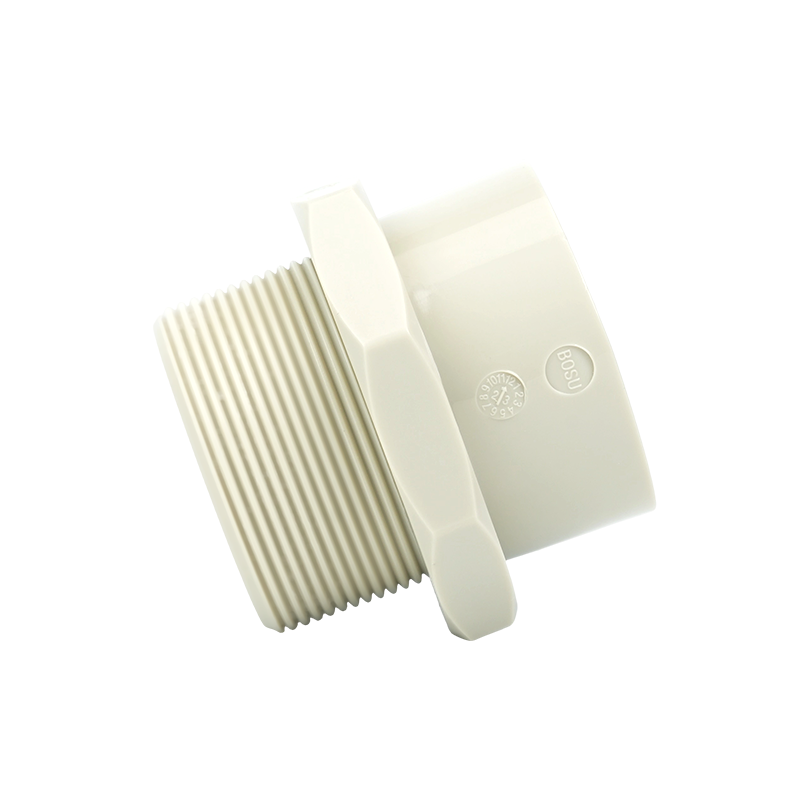
1. Nasc tapa, friotaíocht ardbhrú, dea-shéalaithe, obair shábháilte agus iont...
Féach TuilleadhWhat are the main materials of PPN pipes?
1. Modified Polypropylene (PP): PPN pipes use polypropylene (PP) as the matrix, which is β-modified or copolymerized to give it higher temperature resistance, chemical corrosion resistance, and aging resistance.
2. High Transparency and Low Water Absorption: PPN material has an extremely low water absorption rate (≈0.01%), and hardly expands in aquatic environments, making it suitable for industries highly sensitive to moisture, such as cleanrooms, pharmaceuticals, and semiconductors.
3. Excellent Mechanical Strength: The modified PPN pipe wall is dense, significantly improving impact strength and pressure resistance, and can operate stably in a wide temperature range of -10℃ to +100℃.
What are the differences between PPN pipes and ordinary PP pipes (PPH)?
1. Compositional Differences: PPN pipes use polypropylene raw materials directly, while PPH pipes are β-modified from ordinary PP to form a more uniform and delicate β-crystalline structure.
2. Performance Comparison:
Chemical Resistance: PPN performs better in strong acid and alkali environments, exhibiting stronger corrosion resistance; while PPH also possesses good chemical resistance, it is slightly inferior.
High Temperature Resistance: PPN can be used continuously at temperatures above 100℃, suitable for high-temperature process pipelines; the maximum operating temperature of PPH is generally around 90℃.
Abrasion and Aging Resistance: PPN pipes exhibit superior abrasion resistance and anti-aging properties, resulting in a longer service life, making them particularly suitable for harsh conditions such as chemical and pharmaceutical industries.
3. Application Scenarios: PPN is more inclined towards high-end photovoltaic, semiconductor, chemical, and pharmaceutical fields where extremely high material purity and temperature resistance are required; PPH is commonly used in general industrial pipelines, water supply and drainage, and medium- and low-pressure transmission systems.
Táirgí
Eolas Cuideachta
Seoladh: Uimh. 55 Bóthar Haichuan, Crios Ardteicneolaíochta, Cathair Dongtai, Cúige Jiangsu, an tSín
Guthán Póca: +86 137 7009 5258
Teileafón: +86-515-85479999
Ríomhphost: [email protected]
Ba mhaith linn do thuairim a chloisteáil!
